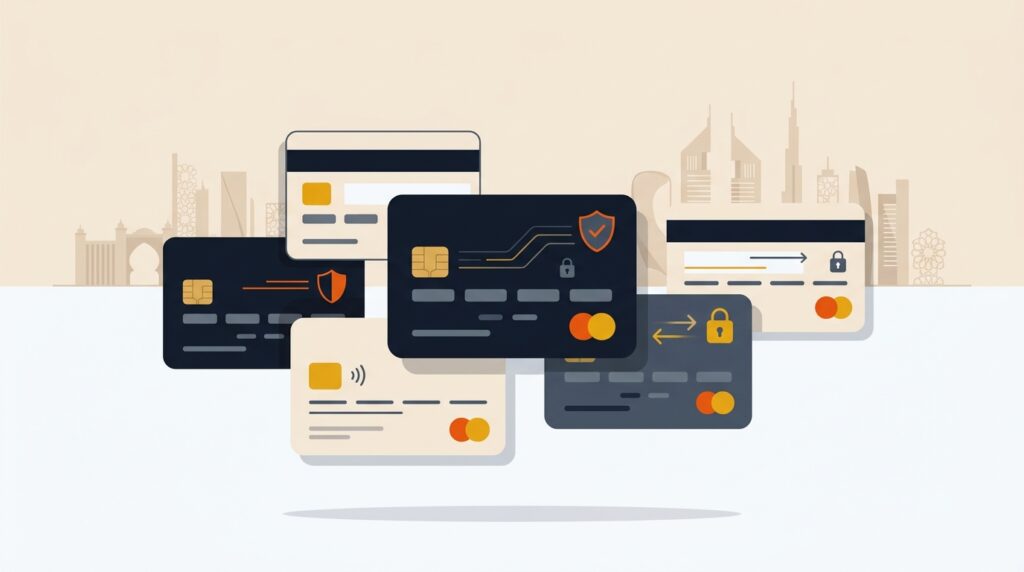
Your Essential Guide to Credit Cards in the UAE
In the dynamic financial landscape of the UAE, credit cards are a widely used financial tool, offering convenience, rewards, and flexibility for daily transactions and larger purchases. Whether you’re a new resident or looking to optimise your financial management, understanding the various aspects of credit cards available in the Emirates is crucial. This guide will walk you through what credit cards are, the different types, key features, and how to make an informed choice that suits your needs.
What is a Credit Card?
A credit card is a payment card issued by a financial institution, allowing you to borrow funds up to a pre-set limit to pay for goods and services. When you use a credit card, you are essentially taking a short-term loan. You are then required to pay back the borrowed amount, typically with interest, by a due date. If you pay your outstanding balance in full by the due date, you can often avoid interest charges, making them a powerful tool for managing your finances effectively.
Types of Credit Cards Available in the UAE
The UAE market offers a diverse range of credit cards, each designed to cater to different consumer needs and spending habits. Here are some of the most common types:
- Rewards Credit Cards: These cards allow you to earn points, miles, or cashback on your spending. Points can often be redeemed for flights, hotel stays, shopping vouchers, or exclusive experiences.
- Cashback Credit Cards: As the name suggests, these cards give you a percentage of your spending back as cashback, either on all purchases or specific categories.
- Travel Credit Cards: Ideal for frequent flyers, these cards offer benefits like air miles, airport lounge access, travel insurance, and discounted hotel stays.
- Low-Interest/Balance Transfer Credit Cards: Designed for those who may carry a balance, these cards offer lower interest rates or promotional 0% interest periods on balance transfers, helping to reduce debt costs.
- Sharia-Compliant Credit Cards: For individuals seeking financial products that adhere to Islamic principles, many banks offer Sharia-compliant credit cards, which avoid interest (Riba) and usually involve a fee-based structure.
- Premium/Luxury Credit Cards: These cards often come with higher annual fees but offer exclusive benefits such as concierge services, high reward rates, and access to premium lifestyle privileges.
Key Features and Benefits to Look For
When comparing credit cards in the UAE, consider the following features to ensure you select one that aligns with your financial behaviour:
- Annual Fees: Some cards charge an annual fee, while others are free for life or for the first year. Evaluate if the benefits outweigh the cost.
- Interest Rates (APR): This is the rate you’ll pay on outstanding balances. Opt for a lower APR if you anticipate carrying a balance.
- Reward Programs: Understand how rewards are earned and redeemed. Is it cashback, air miles, or points? Does it suit your spending?
- Grace Period: This is the number of days you have to pay your bill in full before interest is charged. A longer grace period offers more flexibility.
- Credit Limit: The maximum amount you can spend. Ensure it’s sufficient for your needs but also manageable.
- Security Features: Look for cards with advanced security like EMV chips, contactless payment, and fraud protection.
- Additional Perks: These can include discounts on dining, entertainment, retail, complimentary valet parking, or insurance benefits.
Eligibility Criteria for Credit Cards in the UAE
To apply for a credit card in the UAE, applicants generally need to meet specific criteria set by banks:
- Age: Usually 21 years or older.
- Residency: UAE residency visa and Emirates ID are typically required.
- Income: A minimum monthly salary is a common requirement, which varies by bank and card type.
- Credit Score: Banks will check your credit report with Al Etihad Credit Bureau (AECB) to assess your creditworthiness. A good credit score can improve your chances of approval.
- Required Documents: Common documents include Emirates ID, passport with residency visa, salary certificate, bank statements, and utility bills.
How to Choose the Right Credit Card for You
Selecting the best credit card involves assessing your personal finances and lifestyle:
- Evaluate Your Spending Habits: Do you spend a lot on groceries, travel, or online shopping? Choose a card that offers rewards in your primary spending categories.
- Assess Your Repayment Capability: If you always pay in full, an annual fee card with high rewards might be beneficial. If you carry a balance, a low-interest card is more suitable.
- Compare Options: Don’t just pick the first card you see. Research different banks and their offerings. Websites like LeoCompare can assist in comparing various financial products, including exploring options for optimising business payments or even understanding international money transfer options.
- Read the Terms and Conditions: Pay close attention to interest rates, fees, grace periods, and reward caps.
- Consider Customer Service: A bank with reliable customer service can be invaluable.
Important Considerations and Disclaimers
While credit cards offer many advantages, responsible use is paramount. Financial Compliance: Always ensure you understand the terms and conditions provided by licensed financial institutions in the UAE. Avoid any financial claims without verifiable data and be wary of implied loan approvals or interest rates. This content is for informational purposes only and does not constitute financial advice. We do not provide financial advice for credit cards. Ensure you review all official documentation from your chosen provider.
Managing your finances effectively, whether it’s through credit cards or exploring business loans for growth, requires careful planning and research.
Frequently Asked Questions (FAQs)
What is a credit score and why is it important in the UAE?
A credit score in the UAE is a three-digit number, generated by Al Etihad Credit Bureau (AECB), that reflects your creditworthiness based on your financial history. It helps banks and lenders assess your ability to repay borrowed money. A higher score typically leads to better chances of credit card approval and more favourable terms.
Are there Sharia-compliant credit cards in the UAE?
Yes, many banks in the UAE offer Sharia-compliant credit cards. These cards are designed to adhere to Islamic finance principles, avoiding interest (Riba) and typically operating on a charge or fee-based structure, often linked to commodities or services.
What happens if I miss a credit card payment?
Missing a credit card payment in the UAE can lead to various consequences, including late payment fees, increased interest rates, a negative impact on your credit score, and potential legal action if the debt remains unpaid for an extended period. It is always advisable to pay at least the minimum amount due on time.
Can expats apply for credit cards in the UAE?
Yes, expats residing in the UAE can apply for credit cards, provided they meet the bank’s eligibility criteria, which typically include a valid residency visa, Emirates ID, a minimum income, and other standard documentation. Eligibility requirements can vary by bank and the applicant’s salary.
How can I improve my credit card application chances?
To improve your chances, ensure you have a stable employment history, a good credit score (by paying existing bills on time), a sufficient income that meets the bank’s minimum requirements, and all necessary documentation readily available. Avoiding multiple applications within a short period can also be beneficial.